


What is Smart Pelleting? Introducing the Revolutionary Technology in Livestock Feed Efficiency

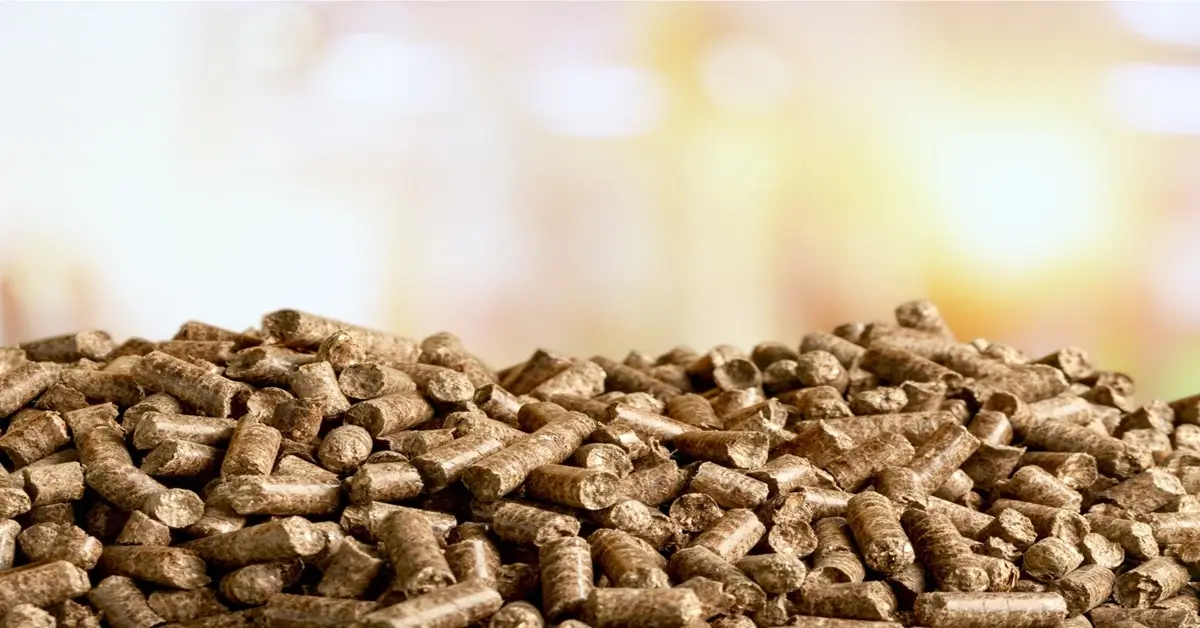
Pellet processing enhances overall farm efficiency by boosting feed conversion rates in livestock operations. Traditionally, the pelleting process relied heavily on operator skill and human experience; however, the emergence of smart pelleting has completely transformed the industry. Smart pelleting not only optimizes feed mill operational efficiency, but it also elevates the nutritional efficacy of processed feed.
In this article from the Zarrin Ghalleh Falat blog, we explore smart pelleting and the strategic importance of integrating advanced technologies like artificial intelligence (AI) and the Internet of Things (IoT) into pellet feed manufacturing. We will also discuss the future of this emerging technology alongside its primary advantages and implementation challenges.
What is Smart Pelleting?
Pelleting is the mechanical process of compressing finely ground raw ingredients into dense, cylindrical pellets using steam, heat, and pressure. In smart pelleting, this processing cycle is continuously monitored and regulated in real time via advanced sensors and data feeds, ensuring that moisture, temperature, and die pressure remain at optimal operating levels. The core distinction between traditional and smart pelleting lies in the application of artificial intelligence and machine learning algorithms. By leveraging these technologies, system performance can be predicted and adjusted prior to process deviations, thereby enhancing pelleting efficiency and final pellet quality.
Comparing Traditional and Smart Pelleting
As highlighted, smart pelleting operates on continuous data analytics, AI, and machine learning models. The most significant departure from traditional pelleting is automated execution. Smart feed pelleting minimizes reliance on human operator intervention, driving down error margins while increasing product durability and batch-to-batch consistency.
| Feature | Traditional Pelleting | Smart Pelleting |
| Process Control | Manual; dependent on operator experience | Automated and data-driven |
| Product Quality Consistency | Variable | Uniform and consistent |
| Energy Consumption | High and uncontrolled | Optimized and dynamically regulated |
| Downtime | High due to human error | Minimal and predictable |
| Maintenance Protocol | Reactive (post-failure) | Predictive and preventive |
| Production Yield | Variable | Up to 30% increase in productivity |
| Data Management | No tracking or analytics | Continuous logging, storage, and analysis |
The Role of Advanced Technologies in Smart Pelleting
Smart pelleting deploys automated, cutting-edge technologies in place of manual oversight. Below, we examine the primary technologies driving this shift and their functional roles:
Sensors and the Internet of Things (IoT)
Smart pelleting requires real-time decision-making, which necessitates continuous data monitoring. Sensors embedded within processing equipment collect metrics on temperature, moisture, and steam pressure via IoT protocols for real-time analysis. Consequently, this technology eliminates the need for manual inspection and periodic monitoring.
Artificial Intelligence (AI)
The second stage involves processing high-volume datasets. AI technology analyzes current operational parameters alongside historical data to detect underlying patterns. Leveraging these patterns, the system automatically applies optimal machine settings in response to environmental fluctuations or raw material formulation changes. AI processes data far faster than human operators, dramatically reducing process error margins.
Data Analytics and Machine Learning
Machine learning (ML) models utilize production line metrics to forecast future equipment performance. In practice, potential mechanical failures or process deviations are flagged before downtime occurs. By deploying machine learning, facilities significantly reduce equipment maintenance and repair costs.
Collectively, these technologies enable continuous data analysis and automated error correction. As a result, final pellet quality remains uniform while material waste is kept to a minimum.
Advantages of Smart Pelleting
Smart pelleting offers numerous operational and financial benefits that render its technical implementation economically justified.
Flexibility for Diverse Feed Formulations
Pelleted feeds designed for different livestock, poultry, and aquaculture species require specific parameters regarding physical size, durability, and bulk density. In smart systems, operators simply define the target output specifications, allowing the plant to automatically configure the pelleting process. Consequently, smart pelleting provides high operational flexibility.
Uniformity in Pelleted Feed Quality
As highlighted, real-time monitoring and dynamic parameter corrections ensure that final feed quality consistently aligns with pre-set nutritional and physical standards. As a result, feed quality and batch-to-batch consistency are fully maintained.
Operational Cost Reduction via Energy Efficiency
Energy efficiency represents one of the primary advantages of next-generation smart pellet mills. Optimizing machinery performance within smart pelleting workflows significantly lowers power consumption. Transitioning to automated systems can reduce energy usage by up to 30%.
Increased Production Throughput and Reduced Equipment Downtime
Continuous telemetry coupled with AI and machine learning models enables the prediction of operational errors and mechanical failures. Smart systems lower the incidence of unexpected breakdowns and production halts. By implementing predictive maintenance protocols, downtime caused by equipment failure is substantially reduced, translating directly into higher operational throughput and plant capacity.
Labor Cost Optimization and Productivity Enhancement
Process automation reduces reliance on manual oversight. By automating monitoring and diagnostic procedures, human intervention is minimized, allowing technical personnel to focus on higher-value strategic tasks.
Disadvantages and Challenges of Smart Pelleting
Despite its numerous advantages, deploying smart systems requires robust technical and managerial infrastructure. Primary implementation challenges include:
High Initial Capital Expenditure for Equipment and Sensors
The most significant barrier to adopting this technology is the upfront capital requirement. Procuring specialized hardware, IoT sensor arrays, and manufacturing execution software requires a substantial financial commitment. Additionally, storing and processing large-volume operational datasets adds to total technology deployment costs.
Workforce Training and Technical Expertise Requirements
Technologies integrated into smart pelleting are relatively novel, making the recruitment and training of qualified technical personnel costly. While AI reduces routine manual oversight, maintaining, calibrating, and troubleshooting these advanced systems demands specialized engineering talent.
Cybersecurity and Data Security Risks
Connecting sensors, control systems, and monitoring units to network infrastructure increases exposure to cybersecurity vulnerabilities. Failing to implement robust data protection protocols significantly elevates the risk of intellectual property theft, such as proprietary feed formulations and confidential operational metrics.
Software and Hardware Integration with Legacy Equipment
Retrofiting modern software modules and sensor suites onto legacy machinery presents a major operational hurdle. Upgrading older, manually operated processing equipment into automated smart units involves considerable technical complexity and integration expense.
Frequently Asked Questions (FAQ)
1. Does smart pelleting eliminate the need for human operators?
No, but it shifts the operator’s role from manual process control to high-level supervisory oversight, data analytics, and technical decision-making.
2. What are the implementation costs of a smart pelleting system?
Capital expenditure varies based on plant scale and existing infrastructure; however, investment costs are typically offset over time through energy savings, reduced labor overhead, and improved production yields.
3. Can smart pelleting technology be retrofitted onto traditional production lines?
In many cases, legacy processing lines can be upgraded to smart or semi-smart configurations by integrating IoT sensor kits and digital control modules.
4. What operational metrics are collected in a smart pelleting environment?
The system continuously logs and analyzes temperature, moisture levels, steam pressure, die speed, power consumption, output pellet durability, and equipment health status.
Conclusion
Smart pelleting represents the convergence of advanced digital technology and animal nutrition science, engineered to optimize throughput, lower energy consumption, and elevate feed quality. While its operational benefits are compelling, upfront capital expenditures and technical integration hurdles complicate adoption decisions. Nonetheless, feed processing facilities that delay adopting smart automation risk eroding their competitive advantage in an evolving global market.
The future of feed manufacturing belongs to dynamic, self-regulating systems capable of autonomously adjusting production parameters based on external variables—such as farm performance metrics, ambient environmental conditions, and real-time raw material pricing. As technology continues to advance rapidly, fully autonomous, operator-free smart feed mills may soon become an industry standard.

